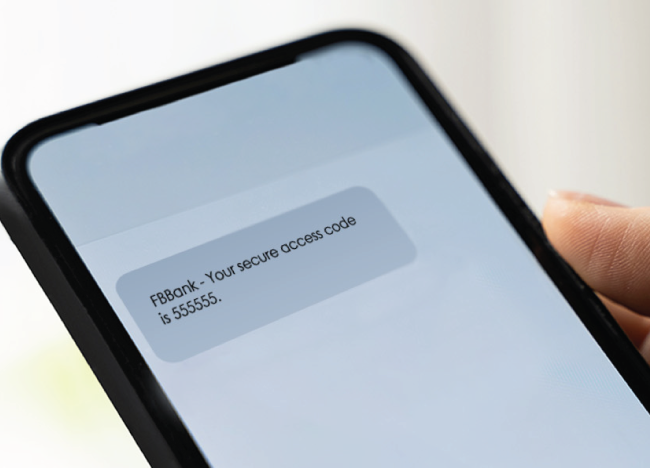
If you’ve ever logged into an account and received a one-time verification code by text or email, you’ve used an important layer of security designed to protect your information.
But here’s the catch: scammers are targeting these codes, and if they get one from you, they can use it to access your accounts.
What Is a Verification Code?
A verification code, sometimes called a one-time passcode or secure access code, is a short, temporary number sent to you when you’re logging in or making changes to your account.
It’s part of a process called multi-factor authentication (MFA), which helps confirm that it’s really you trying to access your account, even if someone else has your password.
In short, it’s one of the strongest tools for keeping your accounts secure.
How Scammers Try to Trick You
Fraudsters know how valuable these codes are, so they’ve gotten creative in trying to get them from you.
Here’s a common scenario:
A scammer pretends to be your bank, a retailer, or even a government agency. They contact you by phone, text, or email with an urgent message. At the same time, they attempt to log into your account using your username and password. You receive a real verification code, but the scammer asks you to share it. If you provide that code, they can use it immediately to access your account.
The Most Important Rule: never share your verification code with anyone.
Not over the phone. Not by text. Not by email.
Even if the request seems legitimate, urgent, or comes from someone claiming to help you, your verification code is only for you.
Things to Watch For
Be cautious if you experience any of the following:
- Someone asks for a verification code you didn’t request.
- You receive a code followed by a call or message asking you to read it back.
- The message creates urgency (“Your account will be locked!”).
- The person claims to be from your bank or a trusted company and needs the code to “verify your identity.”
Legitimate organizations will never ask you to share your verification code.
If you receive a suspicious request, do not share your verification code and stop communicating with the person immediately. Contact your bank or the company using a trusted number or website. Keep an eye on your accounts for any unusual activity.
How Farm Bureau Bank Helps Protect You
At Farm Bureau Bank, your security is a top priority. Verification codes are one of the many tools used to help keep your accounts safe. We’ll never contact you and ask for your secure access code.
Need Help or Have Questions?
If you ever have concerns about your account or suspect fraud, reach out to our team. We’re here to help you stay protected every step of the way.
Tags: fraud prevention, security